The leather lobby is trying to weaken EU deforestation regulation: we have a week to ensure they don't win
The European Union's Anti-Deforestation Regulation was designed with a clear purpose: to stop products linked to forest destruction from being sold on the EU market. Now, under sustained pressure from industry lobbying, the European Commission is considering removing bovine leather, hides and skins from the regulation's scope entirely. Collective Fashion Justice has submitted our formal opposition — and you can too.
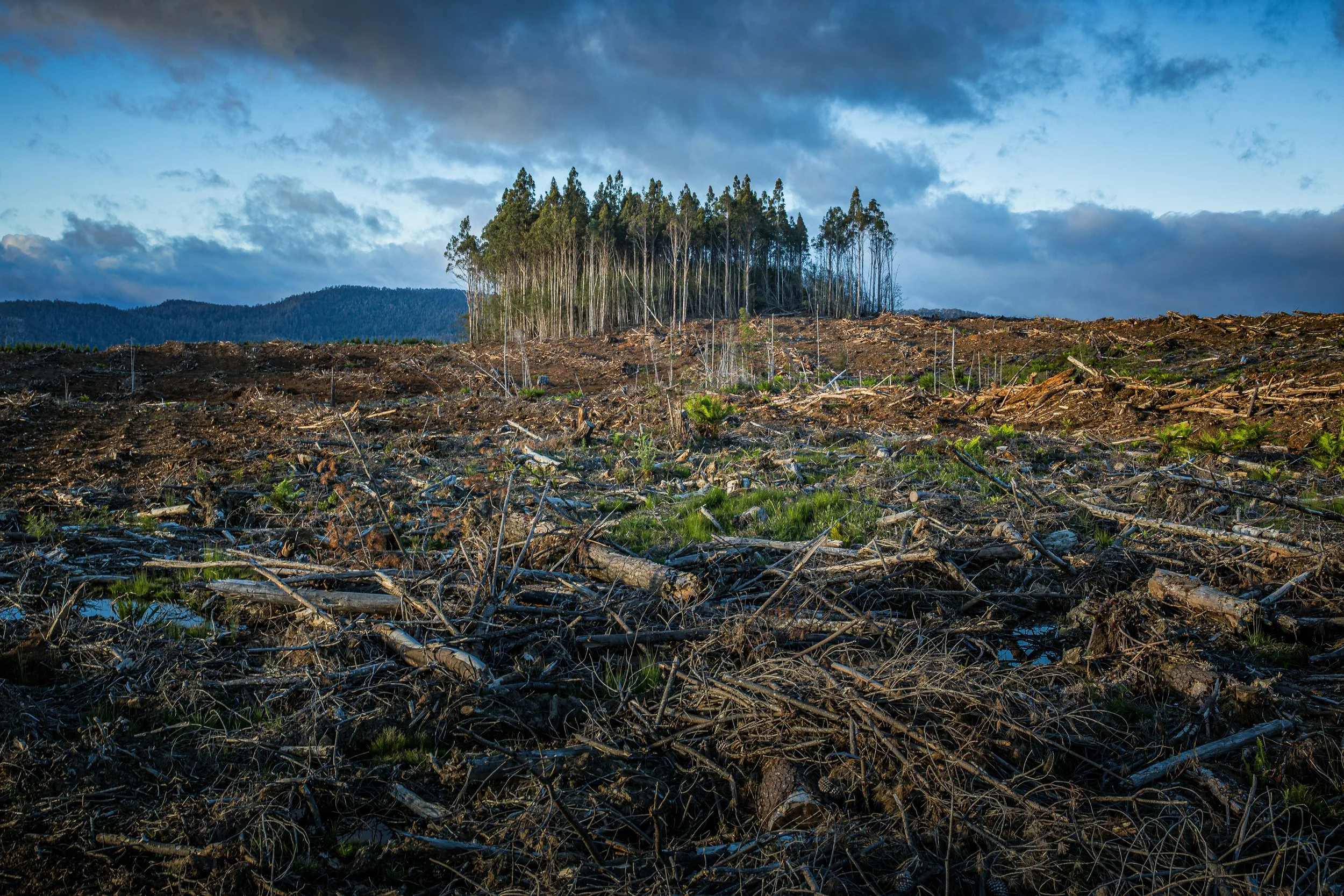
Photo by Matt Palmer on Unsplash
What is the EUDR, and why does leather belong in it?
The EU Anti-Deforestation Regulation (EUDR) requires companies to verify that products sold in the EU have not contributed to deforestation. It covers cattle, soy, palm oil, cocoa, coffee, wood and rubber, alongside derived products. Leather is one of those derived products, and it is one of the most significant.
The EU Commission's own Staff Working Document makes this plain: consumption of leather has a greater deforestation impact than beef, soy or palm oil. Imported hides are estimated to account for as much as 17% of all deforestation associated with EUDR-relevant products. The same analysis estimated that keeping leather within the regulation's scope could generate up to €2 billion in environmental benefits. These are the Commission's own findings.
Despite this, there is now a serious proposal to remove leather from Annex I of the regulation. The justification offered is that leather is merely a by-product of the meat industry — that cattle are raised for beef, not for their hides, and that leather therefore should not bear responsibility for deforestation. This argument does not hold up, and it should not be accepted.
Leather is a co-product, not a waste product
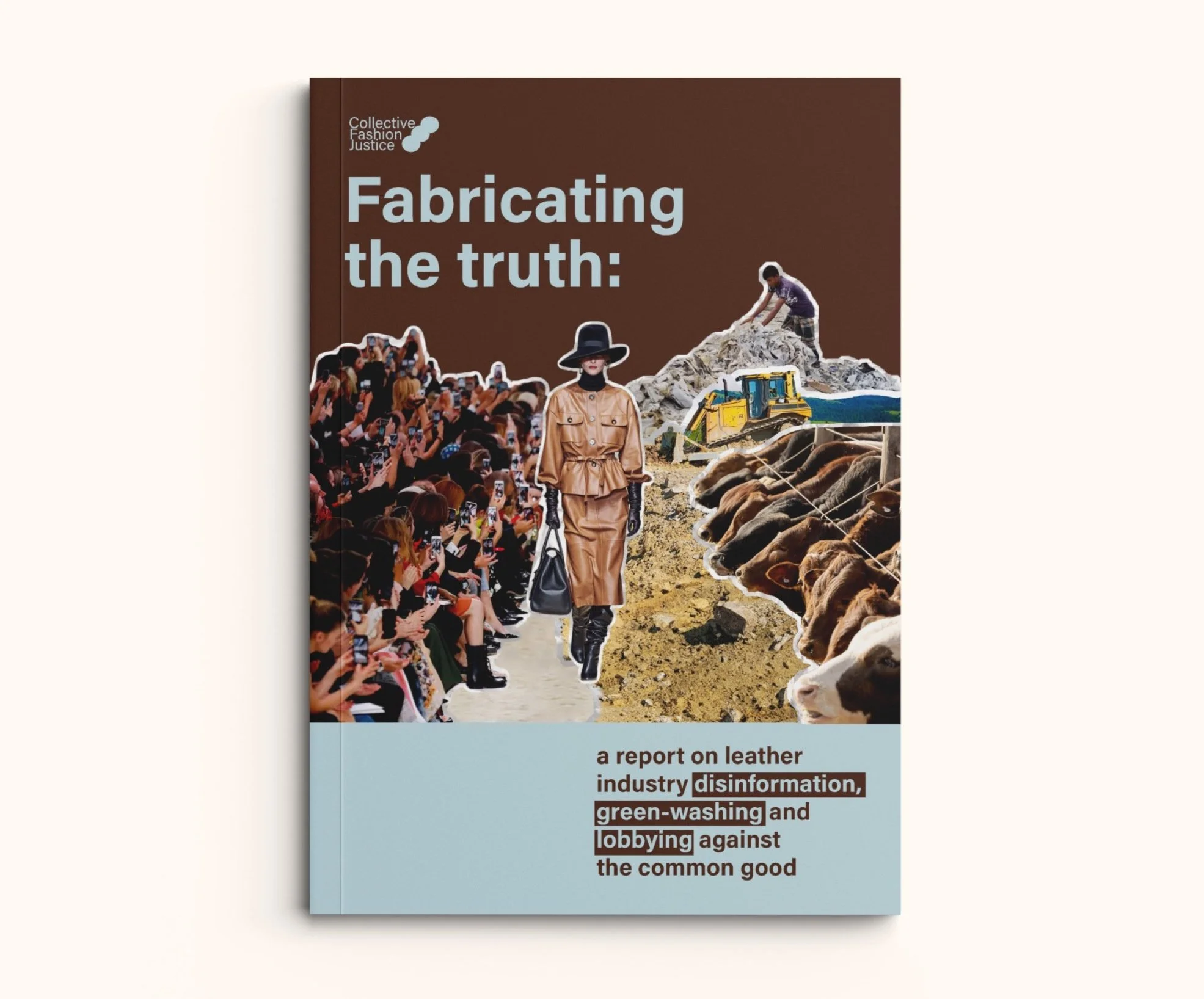
Our Fabricating the Truth report identified the by-product myth as one of the most persistently and cynically deployed pieces of misinformation used by leather trade and lobbying groups. The global skin industry is valued at US$137 billion, and the Leather and Hide Council of America has itself stated that if leather could become more profitable, the industry would raise more cattle. These are not the economics of a waste stream.
Research by Stand.earth demonstrates the clear financial value leather holds for exporting countries — Europe is the first and second largest export market for processed hides from both Paraguay and Brazil. Cattle ranching is responsible for 42% of global agricultural deforestation between 2001 and 2022, producing half of all carbon emissions caused by commodity-driven deforestation globally. Leather is part of this supply chain, profits from it, and European fashion brands profit from it every time they sell a leather bag, shoe or jacket. Removing leather from the EUDR would create a structural loophole where compliance only applies to part of cattle production outputs despite sharing the same origin; the result of this weakens the law.
This is what leather industry lobbying looks like
Our Fabricating the Truth report documented how leather industry groups wrote to members of the European Parliament asking for leather to be excluded from the EUDR, while simultaneously posting on social media about their commitment to fighting deforestation. The EU Commission's proposal to delay the anti-deforestation law by a year in October 2024 was widely attributed to the success of exactly this kind of sustained pressure. The proposal to remove leather from Annex I entirely is the next stage of that campaign, and it is working.
What we submitted — and what you can do
Collective Fashion Justice has formally submitted our opposition to the European Commission's consultation on proposed amendments to Annex I of the EUDR. We are urging the Commission to keep bovine leather, hides and skins within scope, in line with their own data on the deforestation footprint of this material. Our submission is as follows:
Collective Fashion Justice fiercely opposes the exclusion of bovine hides from EU Anti-Deforestation Regulation (EUDR). Leather is a profitable co-product of the meat industry, and deforestation occurs in the leather value chain. Regardless of whether or not leather is the primary profit driver in a cattle supply chain, it is undeniable and verified that deforestation occurs in leather supply chains, and European fashion brands profit from this deforestation when selling leather goods tied to this destruction. This is unacceptable. Collective Fashion Justice urges the European Commission to ensure that animal-derived leather (HS codes ex 4101, ex 4104, ex 4107) are included in Annex 1 of this Regulation.
There are a number of critical reasons that the EU must not exclude bovine leather, hides and skins from Annex 1 of this Regulation:
- Excluding leather and skins from the EUDR is to exclude products with one of the highest deforestation footprints of any product within the EUDR. The EU Commission’s own Staff Working Document, notes that consumption of leather has a greater impact on forests than beef, soy or palm oil, estimating that imported hides are responsible for as much as 17% of all deforestation associated with EUDR-relevant products. As a result, it was also estimated that by keeping leather in the EUDR and thus reducing this deforestation, it could generate up to €2 billion in environmental benefits. The EU’s own documentation shows why the proposal to remove either from the EUDR undermines the efficacy of the EUDR.
As Europe is a critical fashion industry market for the leather industry, European importation of leather influences the expansion of cattle ranching and resultant deforestation. Europe is the first and second largest export market for processed hides across Paraguay and Brazil respectively. As a result, if leather was included in this Regulation, it would force compliance with the EUDR that would reduce deforestation, so that these exporters did not lose significant financial value.
- If the EUDR does not include leather, it would create a structural loophole where compliance applies only to part of cattle production outputs, despite sharing the same origin. Beef and leather alike are major drivers of cattle expansion, which accounts for 42% of global deforestation driven by agriculture spanning the time period from 2001 to 2022. This deforestation decimates biodiversity and has resulted in half of all carbon emissions caused by commodity-driven deforestation globally.
- Leather supply chains are no more complex than that of other products in the scope of the EUDR, such as beef. The EU Commission has already added other products such as frozen cattle tongues (which are less financially valuable), soluble coffee and palm oil derivatives to the EUDR, showing it is entirely possible to add new classes of products to the law.
- Despite industry lobbying, we know that leather is a valuable co-product, not a worthless by-product of the meat industry. Stand.earth’s reporting on the links between Amazonian deforestation and leather included clear economic analysis showing the financial value of leather to Brazil, particularly through exports.
Removing any commodity from the drafted EUDR law as a result of significant industry lobbying, and without evidence-based justification, is dangerous and irresponsible. Collective Fashion Justice urges the Commission to keep bovine leather, hides and skins within the scope of Annex 1.
Collective Fashion Justice supports the objective of the European Union to reduce its global deforestation footprint by stopping products linked to this destruction from being sold on the EU market. This objective cannot be met if leather is not included in the EUDR.
The consultation period closes June 1. This is a narrow window, and the leather lobby is well-resourced and well-organised. If you believe that fashion should not profit from deforestation — that the EU's environmental commitments should mean something — please add your voice before that deadline.
The EUDR cannot achieve its stated objective if leather is not included. The Commission's own evidence shows this. Now we need them to act on it.