
Launched: the International Declaration of Effective and Compassionate Conservation
Collective Fashion Justice has just published this Declaration, which opposes the killing of wild animals for fashion. The full Declaration can be read below, alongside a list of over 20 conservation experts who have endorsed it prior to public launch.
A number of wild and native species are killed for the global fashion industry.
These animals are both trapped in their natural habitat and confined to factory farms prior to being slaughtered, in a primarily profit-driven supply chain of skin sales.
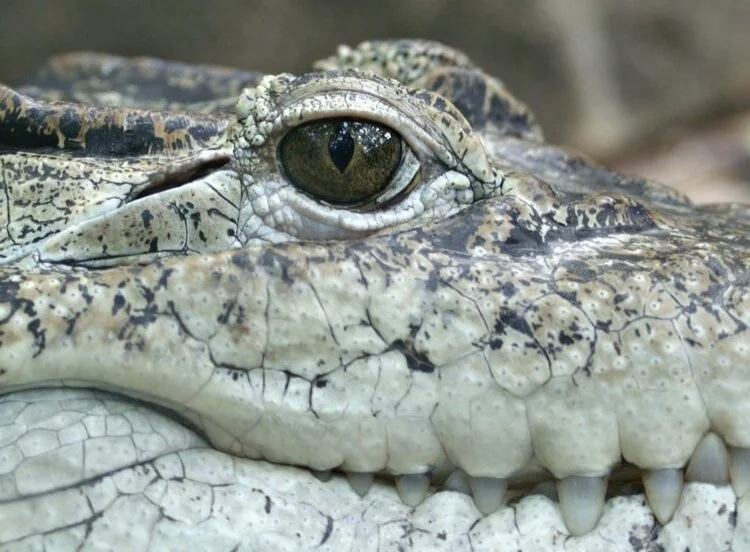
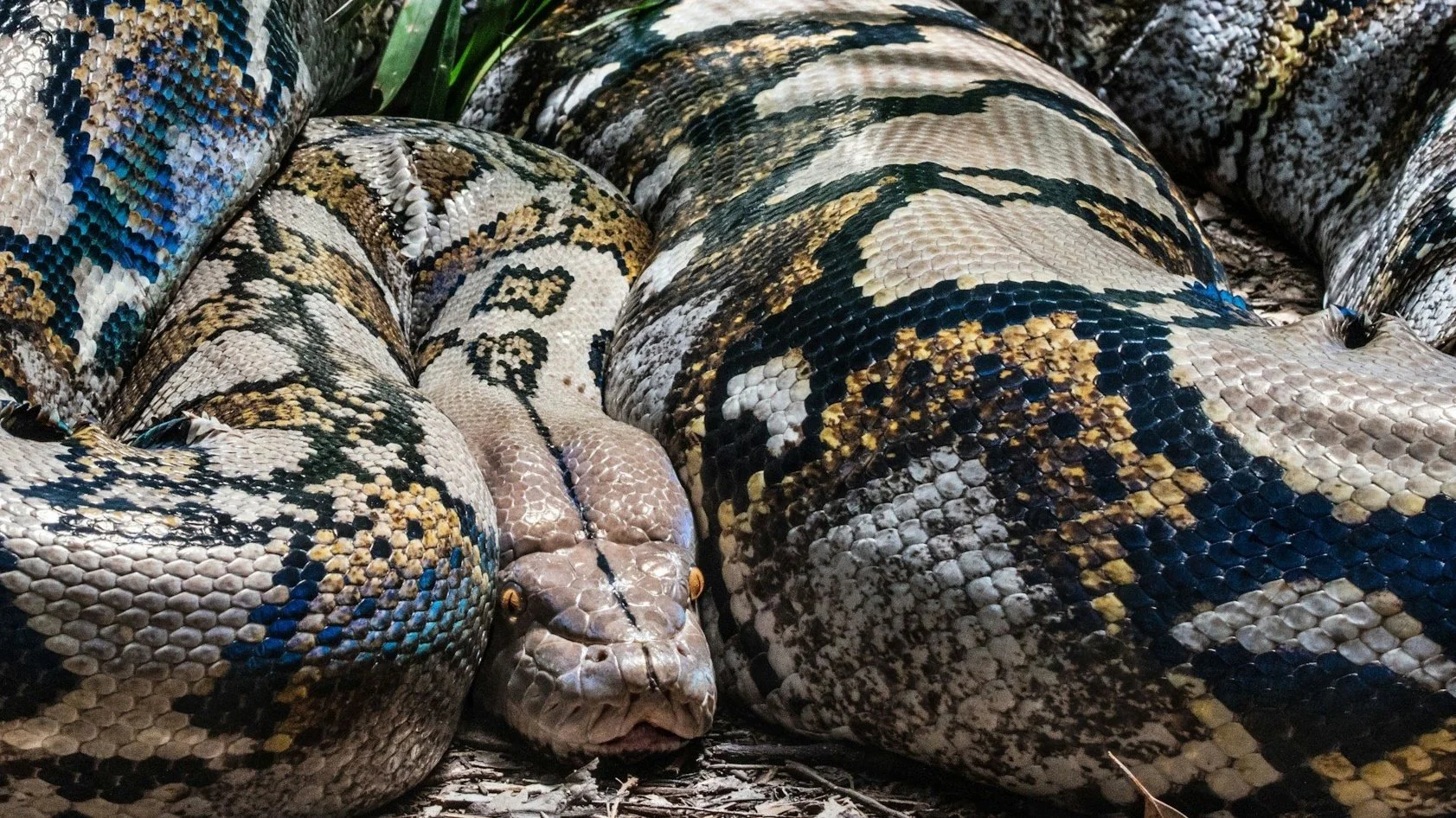
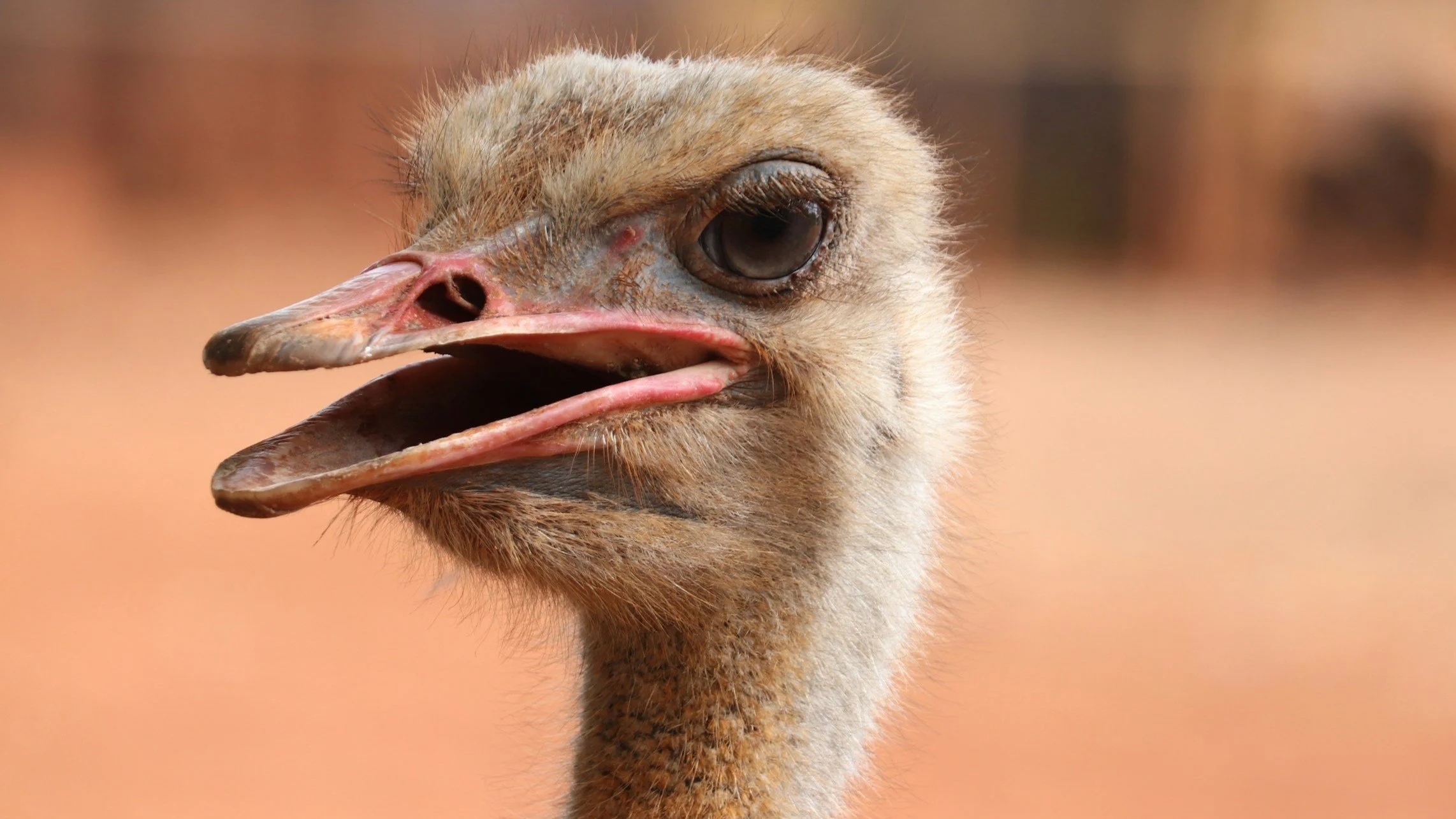
Wild animals are essential to biodiversity and the health of the ecosystems they belong to. This is true of species including but not limited to Australia’s saltwater crocodiles and kangaroos, South Africa’s ostriches, and South-East Asia’s pythons.
The critical protection of global ecosystems and biodiversity must include the protection of wild species killed in fashion supply chains.
The protection of these species must not only be limited to the protection of secure, stable populations, but must include animal welfare considerations: protection of individuals of these species, who deserve to live naturally in their habitat, free from profit-driven human intervention which results in significant suffering and ultimately, their needless slaughter.
While parts of the global fashion industry claim that the sale and use of wild animal skins and feathers is a form of ‘conservation’, we oppose the notion that capturing, confining and killing wild animals is an acceptable or effective way to conserve these very species.
The commodification of wild animals and their body parts devalues these species, driving further threats to them, their health, stability, wellbeing and conservation.
Conservation must be evidence-driven, compassionate and holistic, not commerce-driven and cruel, in order for it to align with a 21st century understanding of sustainability; in which we consider not only what can continue within planetary boundaries, but also, what our society can rightfully continue with.
Indigenous community-led conservation models which allow for wild species to exist within and contribute to their ecosystems, in turn supporting human communities, must be prioritised. The fashion industry must move beyond the dangerous notion that to protect wildlife is to kill wildlife for profit. It is this kind of claim that has seen the continuation of canned ‘trophy hunting’ and other unethical practices which ultimately erode our human capacity to value wild animals, their inherent contribution to biodiversity health, and their individuality.
In order for the fashion industry to view wild species through a post-colonial, eco-centric viewpoint, we call for brands, retailers, councils, organisations and other fashion bodies to co-sign this declaration and enact policies aligned with it.
References that support the Declaration’s position have been published in BioScience, Ecohealth, and by the IUCN WCEL Ethics Specialist Group.
Inaugural signatories:
Dr Marc Bekoff, award-winning researcher and author, professor emeritus of Ecology and Evolutionary Biology, University of Colorado
Dr Clifford Warwick, PGDip(MedSci) PhD CBiol CSci EurProBiol FRSB
Dr Gordon M. Burghardt, Alumni Distinguished Service Professor (Emeritus), Departments of Psychology and Ecology & Evolutionary Biology, University of Tennessee
Dr Belinda Oppenheimer BVSC (Hons.) MANZCVS (reptile expert)
Dr Marc Abraham OBE, BVM&S MRCVS, veterinarian, author, animal welfare campaigner
Catrina Steedman BSc(Hons) MRSB, Emergent Disease Foundation (reptile biologist)
Paul Bours DVM, animal welfare expert, former senior animal welfare policy advisor of the Dutch Ministry of Agriculture, Nature and Food Quality and former Dutch national animal welfare expert for the Food and Veterinary Office of the European Commission
Dr Rachel Grant BsC, Senior Lecturer in Biology & Animal Welfare, London South Bank University, expertise in wildlife ecology, conservation and biodiversity
Dr Andre Menache BSc(Hons) BVSc Dip ECAWBM (AWSEL) MRCVS
Dr Tiffani J Howell, PhD, Senior Research Fellow (anthrozoology), School of Psychology and Public Health, La Trobe University
Dr Daniel Hunter, conservation ecologist and Dingo Advisory Council board member
Dr Dror Ben-Ami, Director of Compassionate Conservation Middle East
Chris Darwin, CEO of The Darwin Challenge charity and nature conservationist
Dr Daniel Ramp, Director at Centre for Compassionate Conservation, TD School, University of Technology Sydney
Dr Jesús A. Rivas, New Mexico Highlands University, ecology and evolutionary biology expert specialising in reptiles
Professor Danielle Celermajer, University of Sydney, Sydney Environment Institute member
Dr Phillip Arena, functional morphologist, specialising in the biology, health and welfare of reptiles and a key investigator of the impact of recreational practices on rattlesnakes, marine turtles and crocodilians, Associate Lecturer, Murdoch University
Dr Helen Lambert BSc Hons, MSc, PhD, Animal Welfare Consultant
Melissa Amarello, Co-founder & Executive Director, Advocates for Snake Preservation (ASP)
Jan Schmidt-Burbach, DVM, PhD, Director of Wildlife Research and Veterinary Expertise, World Animal Protection Denmark
Mark Auliya, PhD, Conservation scientist, Leibniz Institute for the Analysis of Biodiversity Change
Sayantan Das, PhD, Post-Doctoral Fellow, Conservation Biologist, Kannur University, India
If you are a conservation expert who would like to become a signatory, you can do so by sending us an email.