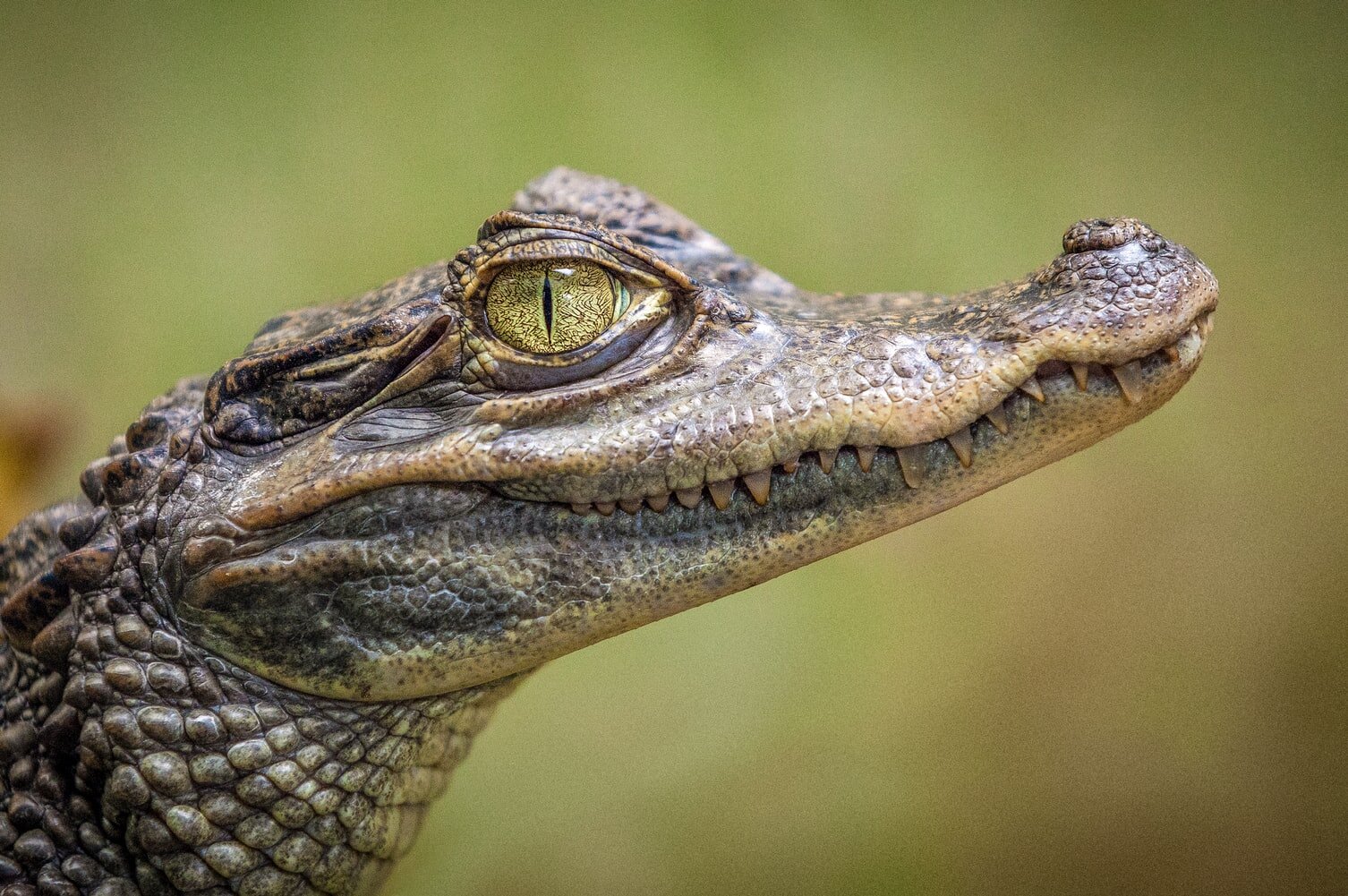
The fashion industry’s exploitation of wildlife for fur, skins and feathers is unsustainable and unethical.
While many brands justify wildlife exploitation due to IUCN support for the trade, our latest investigation — published by The Times — uncovers how industry funding and control biases IUCN decision-making.
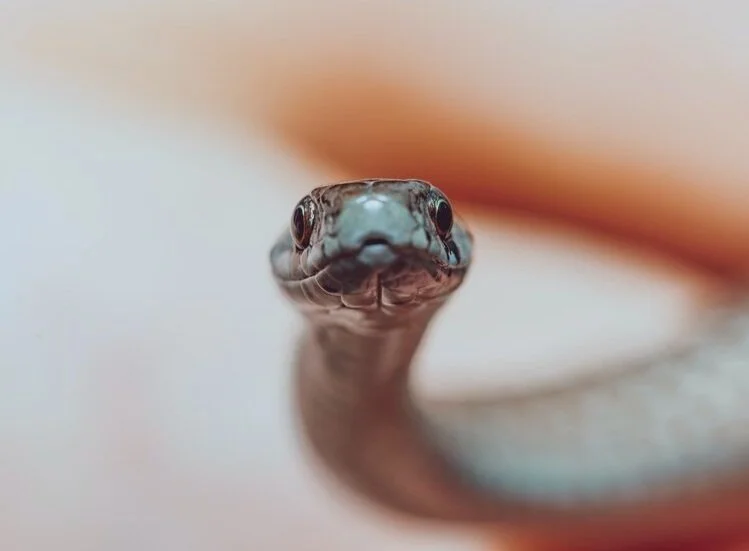
Our investigation into IUCN Specialist Groups and how they’ve been biased by fashion industry funding
Did you know the Chair of the IUCN’s Snake Specialist Group has a funding partnership with LVMH, or that the Chair of the Crocodile Group works for a crocodile factory farm supplying luxury brands? These biases cannot be accepted, and we are exposing them while calling for change. You can take action with us.

Read The Times’ coverage on how conservation science is being corrupted by corporate interests
““If you chair an IUCN Specialist Group charged with protecting an animal species you should not be allowed to work in, or have financial ties to, industries that profit from the slaughter of those same animals. Full stop … I see no world in which that is not a conflict of interests,” said Emma Hakansson, the founder and director of Collective Fashion Justice, a campaign group.

The International Declaration of Effective and Compassionate Conservation: Against Killing Wildlife for Fashion
Collective Fashion Justice has launched a Declaration, launched with over 20 founding signatory conservation experts and scientists, in support of genuinely protecting wildlife exploited for fashion. This is the future of fashion and responsible conservation for all wildlife species and the ecosystems they are part of.
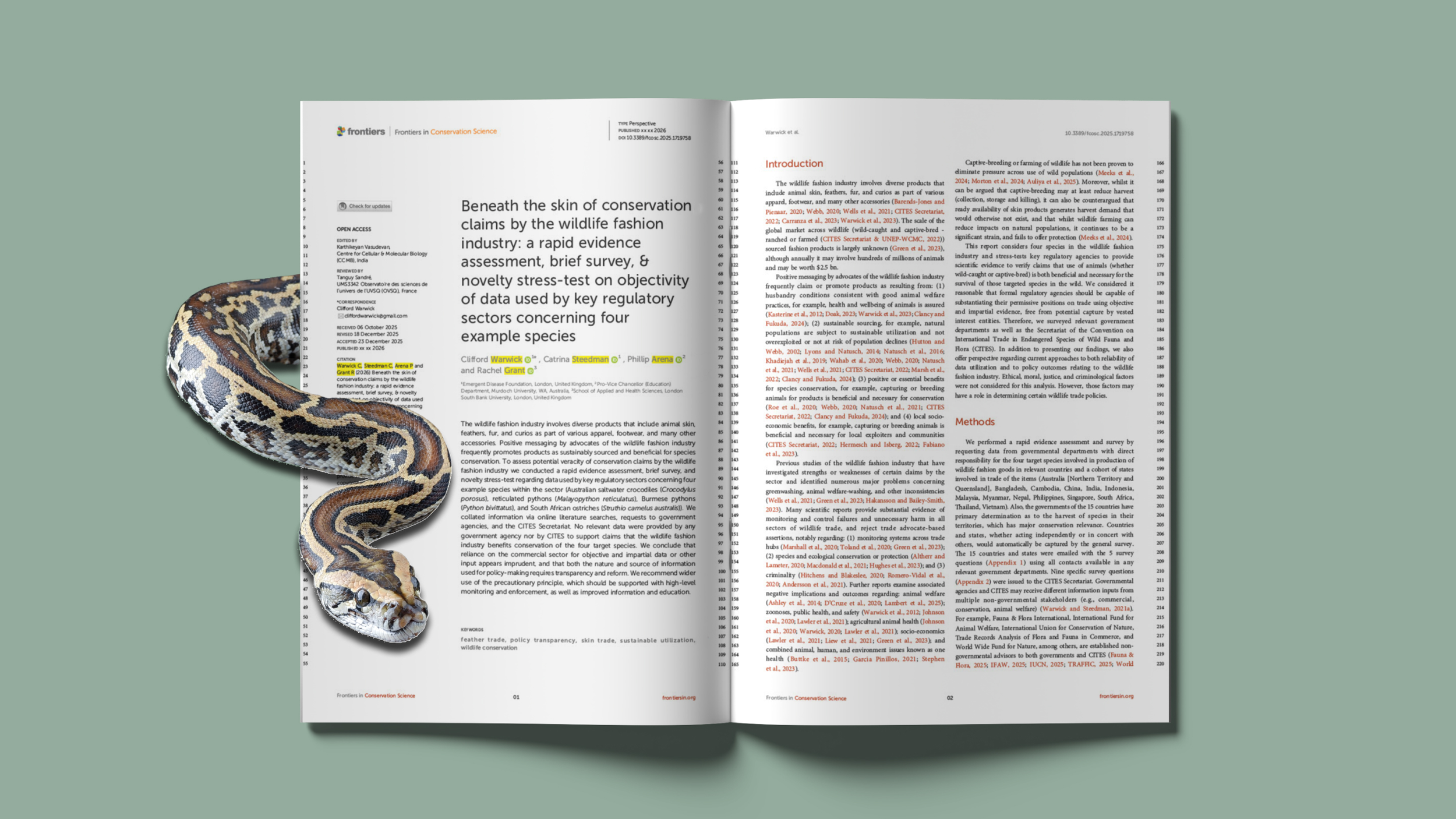
Research published in Frontiers of Conservation Science found no relevant government agency nor CITES data provided supports claims that some of the most commonly exploited wildlife species* are conserved by fashion’s use of their skins and feathers.
This peer-reviewed research showed that the fashion industry’s reliance on commercial industry for data is dangerous to wildlife, with serious reform needed, and bans on the use of these animals recommended.
(These species include saltwater crocodiles, reticulated and Burmese pythons, and South African ostriches)
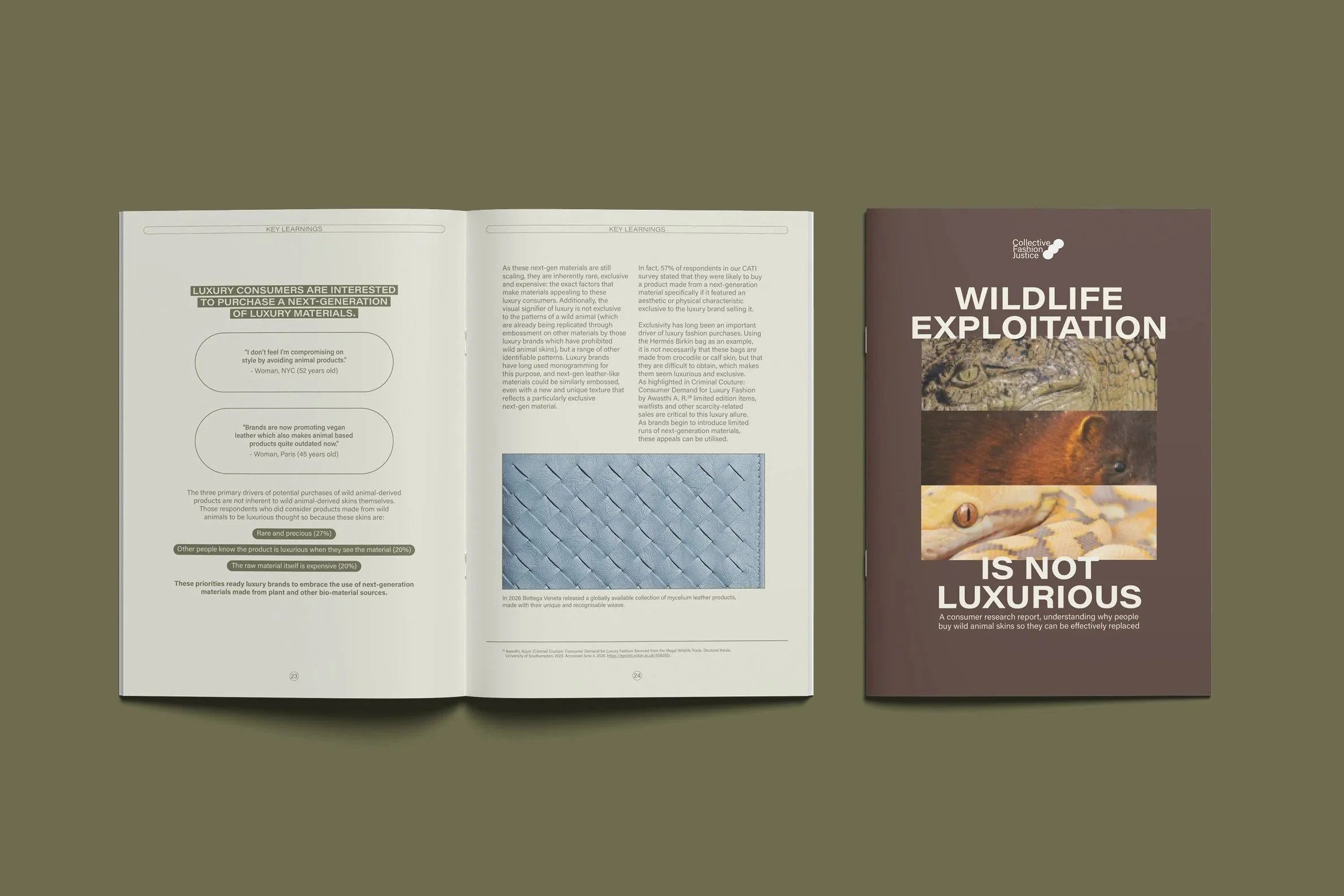
There is a business case for ending the use of wildlife for fashion too:
Luxury fashion’s exploitation of wild animals in fact damages the perception of brands as luxurious and modern.
Our report found 95% of ultra-high net worth (UHNW) and high net worth (HNW) luxury consumers surveyed in London, Paris, and New York, believe that use of wild animal skins and fur makes fashion brands less luxurious. Using these products in fashion is seen as outdated by high-value consumers, who preference "modern, more responsible luxury".
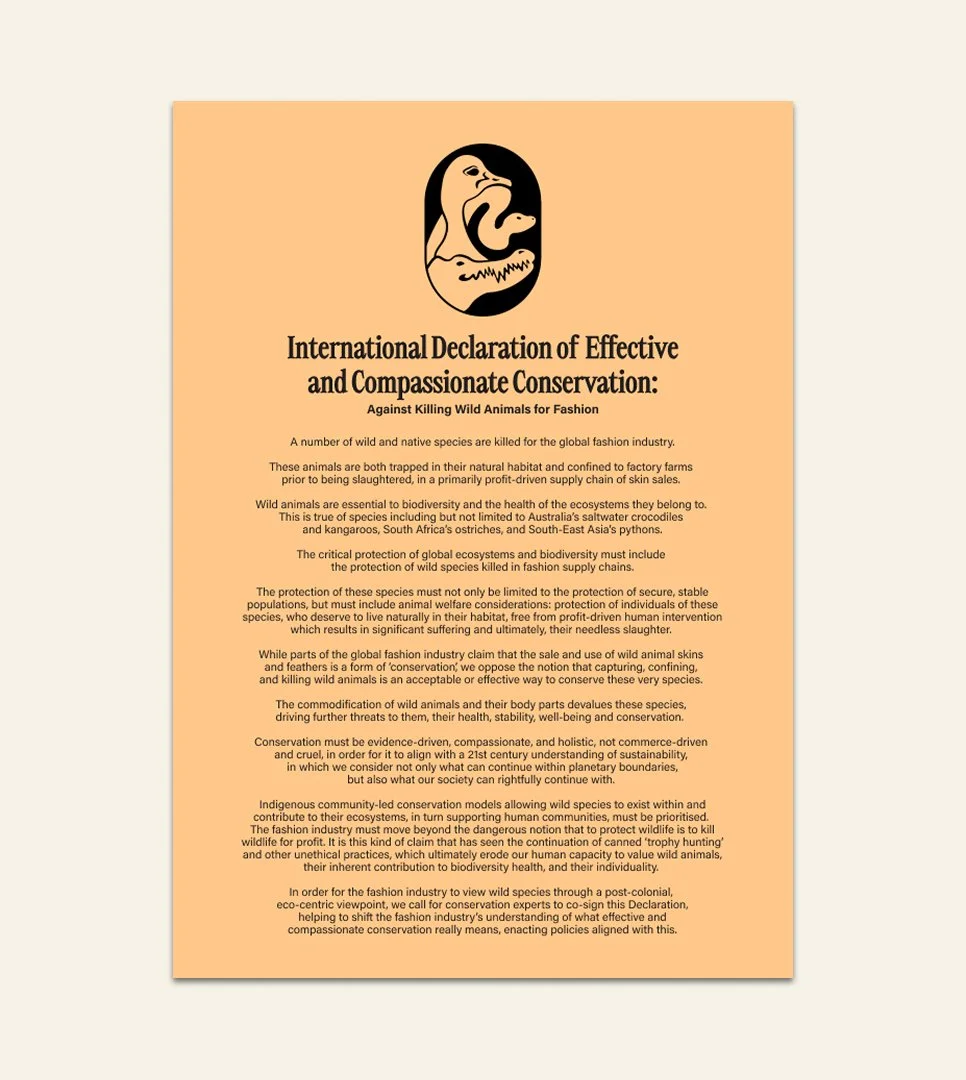
Launched alongside 25 esteemed conservationists, Collective Fashion Justice introduces:
The International Declaration of Compassionate and Effective Conservation:
Against Killing Wild Animals for Fashion
“The critical protection of global ecosystems and biodiversity must include the protection of wild species killed in fashion supply chains.
The protection of these species must not only be limited to the protection of secure, stable populations, but must include animal welfare considerations: protection of individuals of these species, who deserve to live naturally in their habitat, free from profit-driven human intervention which results in significant suffering and ultimately, their needless slaughter.
The commodification of wild animals and their body parts devalues these species, driving further threats to them, their health, stability, wellbeing and conservation.”
Endorsed by these and other conservation and environmental experts:
-
![]()
Dr Marc Bekoff
Award-winning researcher and author, professor emeritus of Ecology and Evolutionary Biology, University of Colorado
-
![]()
Dr Gordon M. Burghardt
Alumni Distinguished Service Professor (Emeritus), Departments of Psychology and Ecology & Evolutionary Biology, University of Tennessee
-
![]()
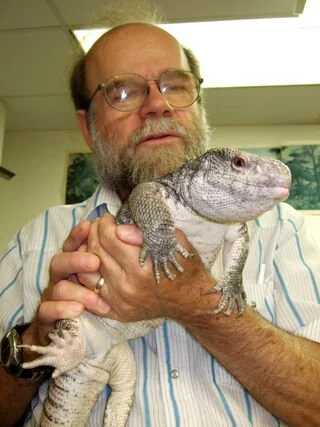
Dr Jesús A. Rivas
New Mexico Highlands University, ecology and evolutionary biology expert specialising in reptiles
-
![]()
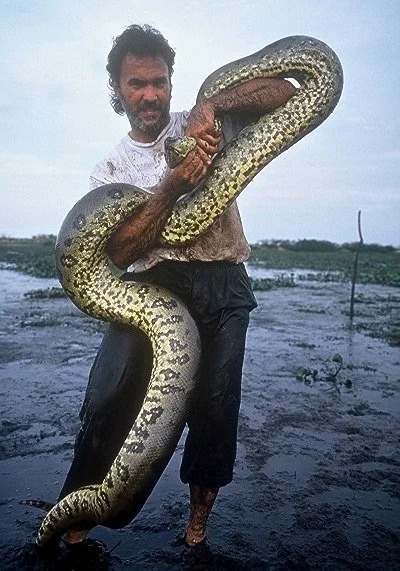
Melissa Amarello
Co-founder & Executive Director, Advocates for Snake Preservation (ASP)
-
![]()
Dr Clifford Warwick
PGDip(MedSci) PhD CBiol CSci EurProBiol FRSB
-
![]()
Dr Tiffani J Howell
Senior Research Fellow (anthrozoology), School of Psychology and Public Health, La Trobe University
-
![]()
Dr Phillip Arena
Functional morphologist, specialising in the biology, health and welfare of reptiles and a key investigator of the impact of recreational practices on rattlesnakes, marine turtles and crocodilians, Associate Lecturer, Murdoch University
-
![]()
Chris Darwin
Nature conservationist, CEO of the Darwin Challenge, descendent of Charles Darwin
-
![]()
Professor Danielle Celermajer
University of Sydney, Sydney Environment Institute member






Wondering why ostrich feather use is a problem?
Read our latest report, Blood Feathers:
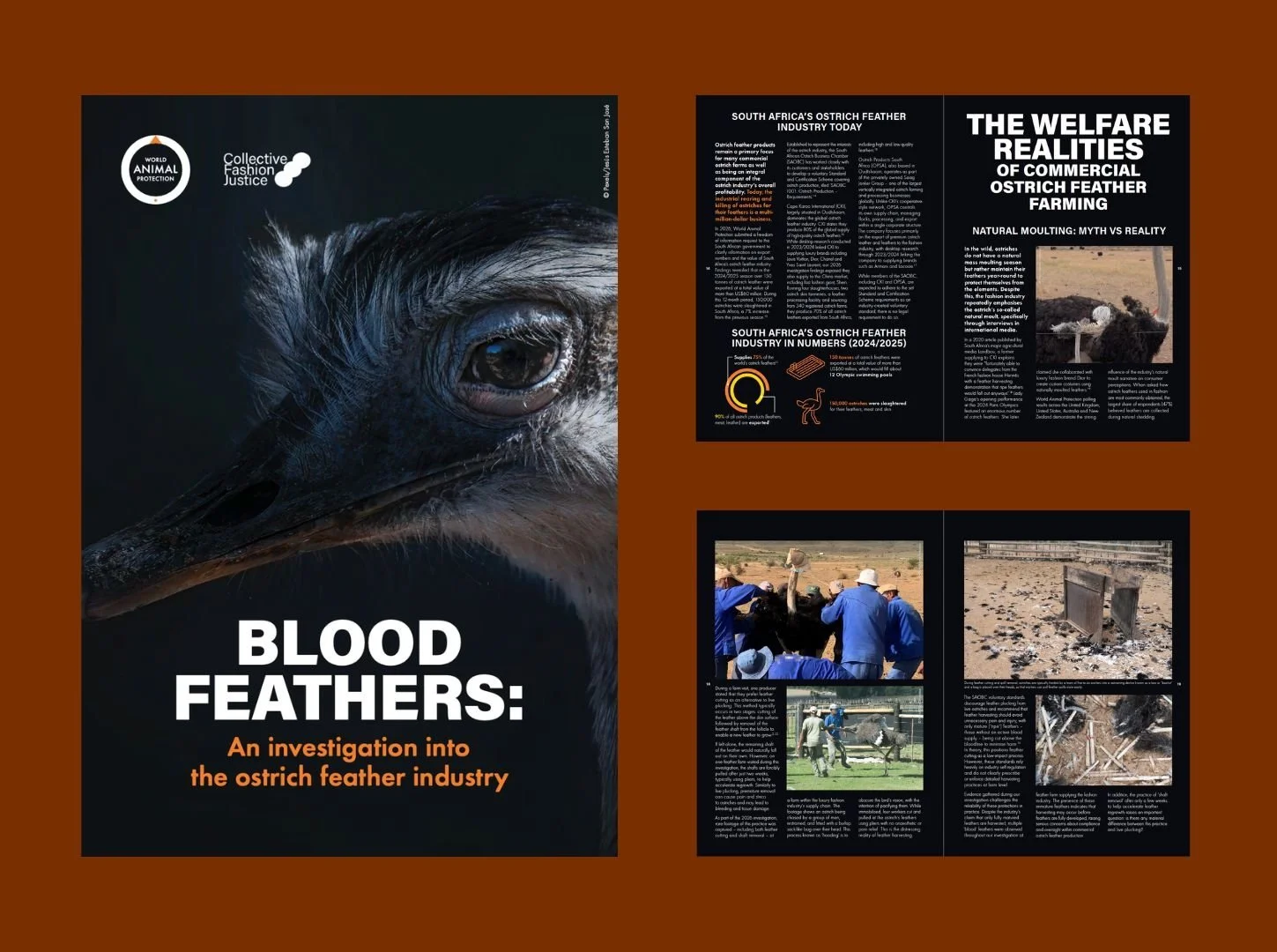
Co-published with World Animal Protection, this report includes their commissioned investigation of a major supplier of ostrich feathers which sell their feathers to luxury fashion brands and fast fashion giants alike.
It exposes false claims of ‘natural moulting’ and highlights the widespread injustice of live plucking which persistt through ethics-washing.

Wild animals exploited for feathers are least considered by fashion.
This report from CFJ and World Animal Protection explores the impacts of decorative feather use.
On download of the report, you will also receive access to our feather-free design guide, created in collaboration with designers exploring fabric manipulation techniques with shared aesthetic properties to ostrich feathers.
Want an overview of fashion’s wildlife exploitation?:
Cruelty is Out of Fashion:

An overview of the fashion industry’s policies on wild animal products, from Collective Fashion Justice and World Animal Protection.
This report is a part of our wider campaign to evolve the fashion industry beyond the exploitation of wild animals.
Here’s just some of what we’ve achieved together so far:
-

GANNI bans ostrich feathers and other animal-derived materials
When CFJ supported GANNI to update its animal welfare policy, it resulted in a new policy which prohibits all virgin animal-derived materials other than wool and cashmere, with a commitment to phase out the virgin use of these fibres, too. Most relevant to our wildlife protection work, this included a total ban on ostrich feathers, after GANNI had already banned wild animal skins and fur.
-

Milan Fashion Week ends fur promotion
After engagement with CFJ, LAV and Humane World for Animals, Italy’s national fashion council, CNMI, announces in May 2026 that it will not promote fur on Milan Fashion Week runways. Just short of a ban, this is positive progress and includes a recommendation by the Council that member brands end fur use.
(Image: Jo-Ann McArthur of We Animals) -
New York Fashion Week bans fur
At the end of 2025, the CFDA published a press release in collaboration with Collective Fashion Justice and Humane World for Animals, announcing the policy we helped to write.
Read coverage of the groundbreaking policy change on WWD. -

Australian Fashion Week bans all wildlife materials
In May 2025, AFW banned fur, wild animal skins and featehrs following our policy engagement. The Australian Fashion Council also mandated that showing brands have an animal welfare policy, and only use domesticated bird feathers if they are a co-product certified with Responsible Down Standard. These feathers still cause harm, but the policy points to progress we can build on.
-

London Fashion Week bans wild animal skins
At the end of 2024 the British Fashion Council announced a ban on all wild animal skins, with a policy Collective Fashion Justice helped to write following our advocacy with World Animal Protection.
Read about the importance of this policy and our founder’s perspective on the Guardian. -
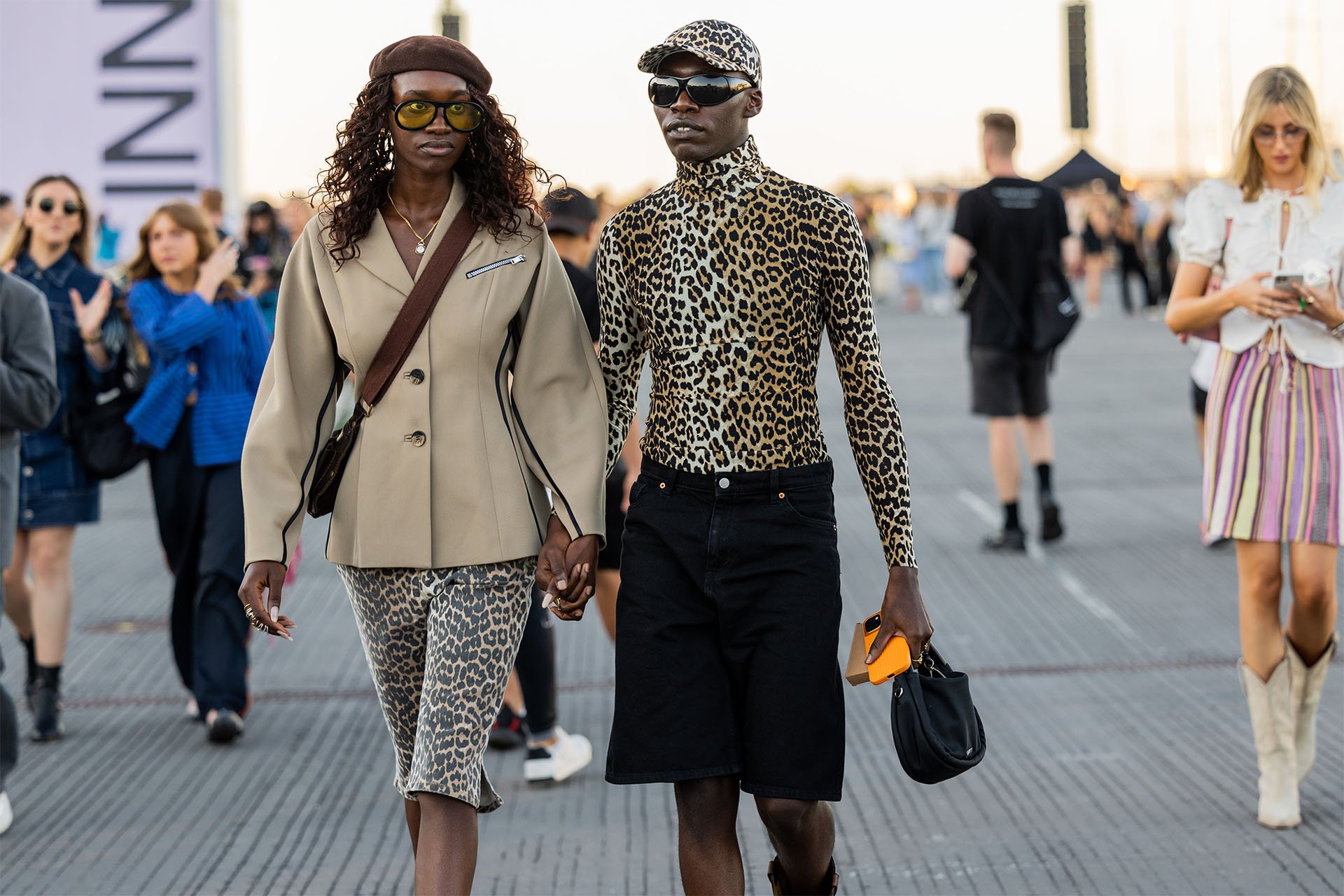
Copenhagen Fashion Week moves to ban all wild animal materials
We are delighted to have consulted on and helped write this 2024 policy.
No fur, wild animal skins or feathers are permitted, and all brands will receive a resource on animal-derived material risks and alternatives CFJ produced.
(Image: GQ Australia at CPHFW) -

London Fashion Week bans fur in late 2023
Following our consultation, the British Fashion Council implemented a policy banning all fur from London’s runways, considered one of the ‘big four’ fashion week events around the world.
This is an important step forward, and we will continue working with the BFC towards our goal of protecting all wild animals.
-

Melbourne Fashion Week extends its policy to protect all wildlife species
In 2023, we announced at an event and through a joint press release with M/FW and World Animal Protection, that the fashion show’s policy had been updated to include a ban on wild bird feathers.
This is a first of its kind policy, positioning Melbourne as a leader in innovative fashion that protects wildlife. -

The Iconic updates policy to ban all decorative feathers
As of 2024, Australia’s major online fashion retailer will not sell any garments made with decorative feathers, whether from wild or domesticated animals.
This news came following our engagement with the retailer for our report, Feathers are the New Fur, which found feathers mislabelled as faux on the retailer’s website. These have since been removed, and their processes to prevent mislabelling improved upon. -
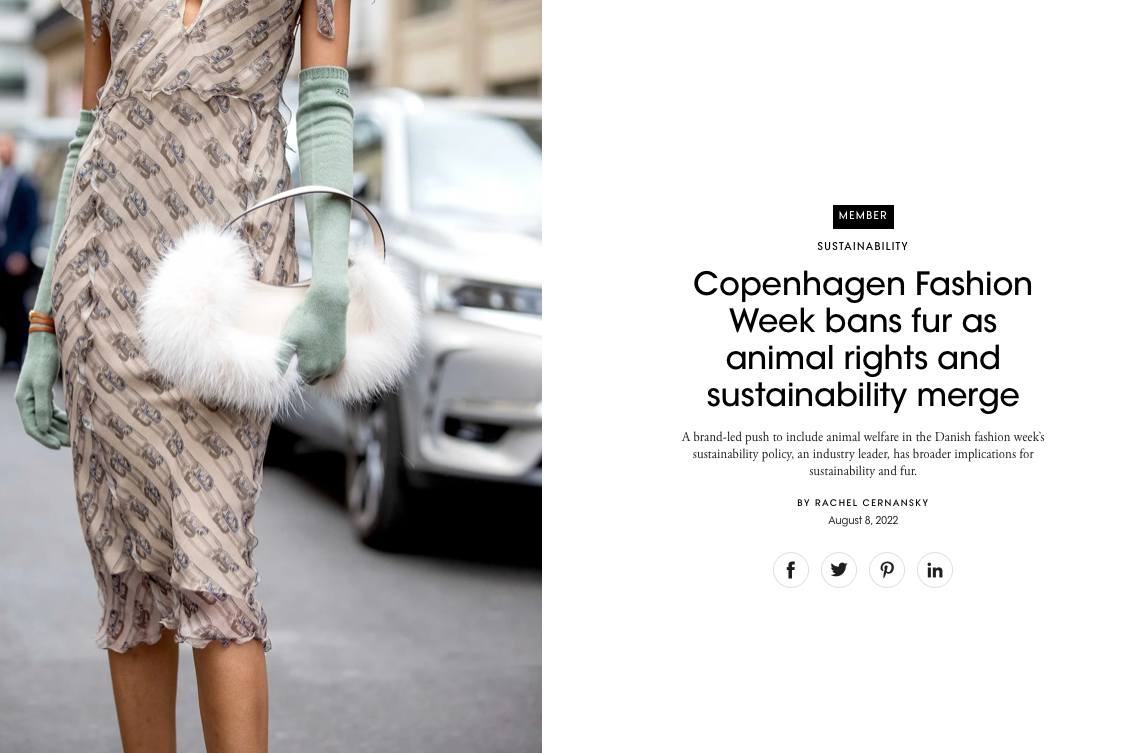
Copenhagen Fashion Week bans fur from 2023 onwards
After calls from Danish brands, and engagement with World Animal Protection Denmark who shared our report with the organisers, Copenhagen Fashion Week is fur free.
Read all about this positive progress at Vogue Business, where our founding director spoke to sustainability editor Rachel Cernansky. -

City of Sydney's market policy bans all wild animal materials
Following calls from Animal Justice Party MP Emma Hurst, the City of Sydney drafted a policy banning the exhibition and sale of fur and exotic skins in markets.
Following our and World Animal Protection Australia’s calls to extend this policy to include exotic feathers – including ostrich feathers from these farmed birds – the new market policy now bans all wild animal materials. -

ASOS improves product testing process to prevent feathers mislabelled as 'faux'
In our report, Feathers are the New Fur, our investigation found that while ASOS had already banned decorative feathers, the global retailer continued to sell them.
We found a large number of garments labelled as including ‘faux feathers’ which were in fact made with ostrich and other animal feathers.
Our engagement with ASOS has resulted in the improvement of their processes to prevent further mislabelling.
-

Wildlife-friendly fashion celebrated at Melbourne Fashion Week
Melbourne Fashion Week invited Collective Fashion Justice and World Animal Protection to host an event as part of their program, to celebrate wildlife-friendly, animal-free and more sustainable fashion in the industry.
The event saw Melbourne fashion lovers, designers, models and influencers come together to celebrate a kinder future of fashion. -

Melbourne Fashion Week updates their wild animal policy
Following consultation with Collective Fashion Justice and World Animal Protection, Melbourne Fashion Week updated their existing exotics policy to ensure it protected all those wild animals who are exploited for their skins.
This is a very welcome step forward for the show, which we encourage others to follow. -

Australian brands support a wild animal free fashion week in Sydney
Our engagement with Australian fashion brands – including those headlining Sydney’s fashion week – have seen public industry support for a ban on all wild animal exploitation at Afterpay Australian Fashion Week. Supporting brands included Unreal Fur (pictured), Dyspnea, Isabelle Quinn, Asiyam, Remuse, Sans Beast, Katya Komarova and many more.
-

Sydney's fashion week sponsors support end to use of fur and exotic skins
Following our engagement with AfterPay and the City of Sydney, the primary and sustainability sponsors have agreed to continue working with us to ensure 2023’s fashion shows protect wild animals.
AfterPay ensured their 2022 sponsored shows are free from fur and exotic skins, even if an official ban is not yet in place.
In late 2022, the City of Sydney passed a new policy which ensures that no future sponsorships can be provided to events or activities which sell or exhibit wild animal materials.
A kinder, more humane, environmentally responsible and safer fashion industry is not only possible but exciting, creative and inevitable.
Collective Fashion Justice recommends that all fashion festivals, brands and fashion industry sponsors immediately adopt a policy that bans the use of furs, wild animal skins and feathers.
Where these bans cannot be achieved immediately, a clear, public timeline for discontinuing their use should be announced.
The fashion industry must ask itself whether it will be a leader to protect wild animals, biodiversity and the planet, or if it will continue to profit from their harm and destruction.
Please support us as we call for brands and events to implement fur, exotic skins and feather bans.
Contact us to talk about moving away from the exploitation of wild animals, towards more future-friendly materials.
Read more about fashion’s exploitation of wild animals:
-
The fur industry
The fur industry will be the first of all cruel industries to fall entirely out of fashion, with bans being put in place by brands, fashion festivals, cities and states.
Learn more about how fur factory-farming and trapping harms fur-bearing animals, industry workers, and the planet we share.
Image: Jo-Anne McArthur // We Animals
-

Zoonotic disease and wild animal exploitation
Harming wild animals is harming us, too. Zoonotic diseases and their spread are exacerbated when we factory-farm, poach and kill animals for the sake of fashion.
If COVID-19 has taught us anything, it is the importance of eliminating the risk of zoonotic disease spread as much as possible.
-

The crocodile skin industry
Australia’s native saltwater crocodiles are suffering, confined to factory-farms until their brutal killing. Luxury fashion brands continue to exploit this ancient species of sentient animals, despite the availability of more ethical and sustainable alternative materials.
Image: Farm Transparency Project
-

The ostrich skin industry
It’s often thought that ostrich feathers are obtained without cruelty – unfortunately, this is not the case.
The feathers that fluff up high fashion wardrobes come from a vicious slaughter industry which treats animals native to Africa as commodities.
-

Snake skin industry
Snakes are both factory-farmed and ripped from their natural habitats for the sake of luxury fashion. Both people in the industry and our shared planet are also harmed.
With more ethical and sustainable alternatives, it’s time for the fashion industry to evolve beyond killing reptiles for fashion.
-

Kangaroo skin industry
Lesser discussed but used all across the sportswear industry, kangaroo skin comes from an unregulated and cruel industry.
Reports find kangaroos to be locally extinct in some cases, in part due to this trade – making up the largest slaughter on land-dwelling animals worldwide.