Illegally killed wildlife are legally traded as bags and shoes: a new UN Protocol could change that
In most countries, it's not a crime to sell and trade bags and shoes made from wild animals, even if they are illegal to kill and export them from their native country. That doesn’t make sense. Collective Fashion Justice is supporting a new UN Protocol on environmental crime, and a similar proposed European Commission law that would change that.
Our founding director, Emma Håkansson, recently spoke at the United Nations Commission on Crime Prevention and Criminal Justice, and illegal and legal wildlife trade for fashion, and how the two intersect. Hosted by the Global Initiative to End Wildlife Crime as well as Born Free Foundation, she spoke alongside experts in conservation and international wildlife trade, bringing the perspective of the fashion industry.
Here, Collective Fashion Justice voiced support for a new UN Protocol on environmental crime that could better protect wildlife against illegal trade, a problem rife in the fashion industry.

The session can be viewed above, Emma’s presentation begins at 14:35.
But how can illegally killed and traded wildlife be legal to import and sell as bags and shoes elsewhere in the world?
Here’s an example.
The Vancouver Island marmot is legally protected in Canada. But, their fur looks similar to other fur from non-protected species. That means sometimes their fur is illegally smuggled out of the country. When a country in Europe — for example — imports that fur and sells it as a coat, it’s suddenly legal again.
This is because most countries across the globe don’t respect other countries’ laws protecting their native species.
It should be illegal to import and to sell products made from wild animals who were legally protected where they lived.
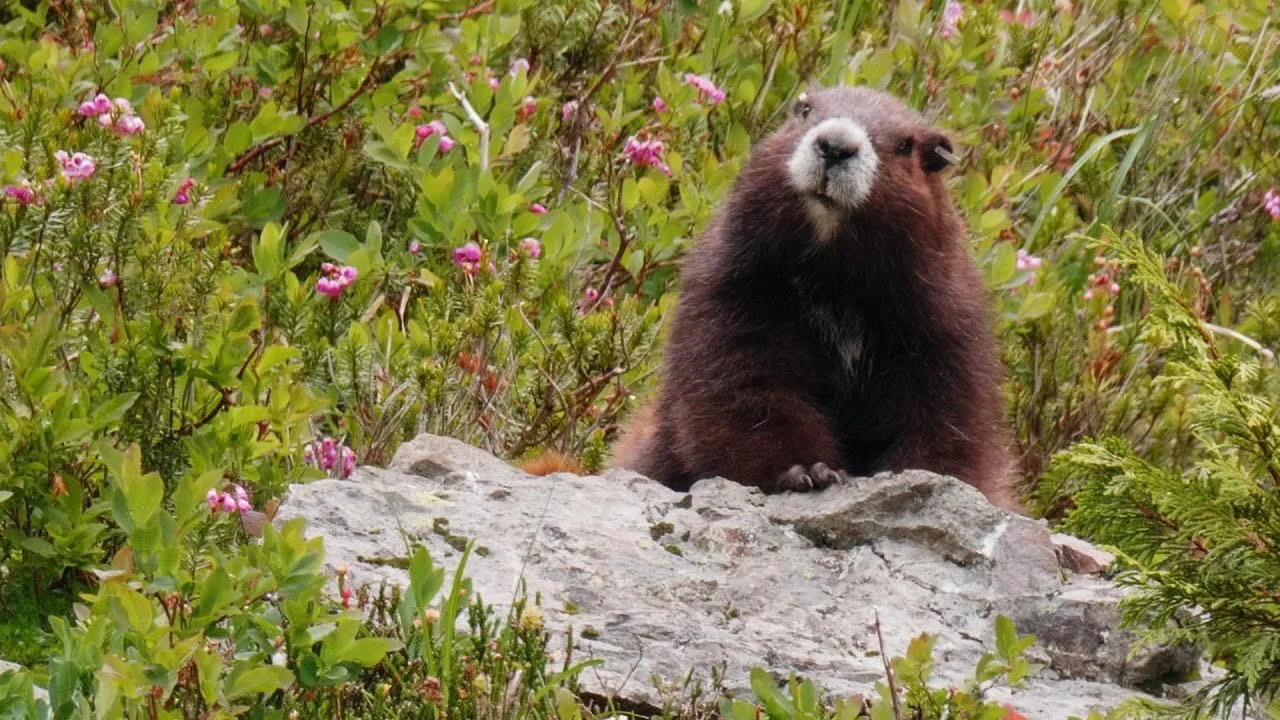
The Vancouver Island Marmot (critically endangered and protected in Canada, but not CITES listed, at risk when trapped and killed alongside non-protected marmosets with near identical fur that is traded).
It gets more complicated too.
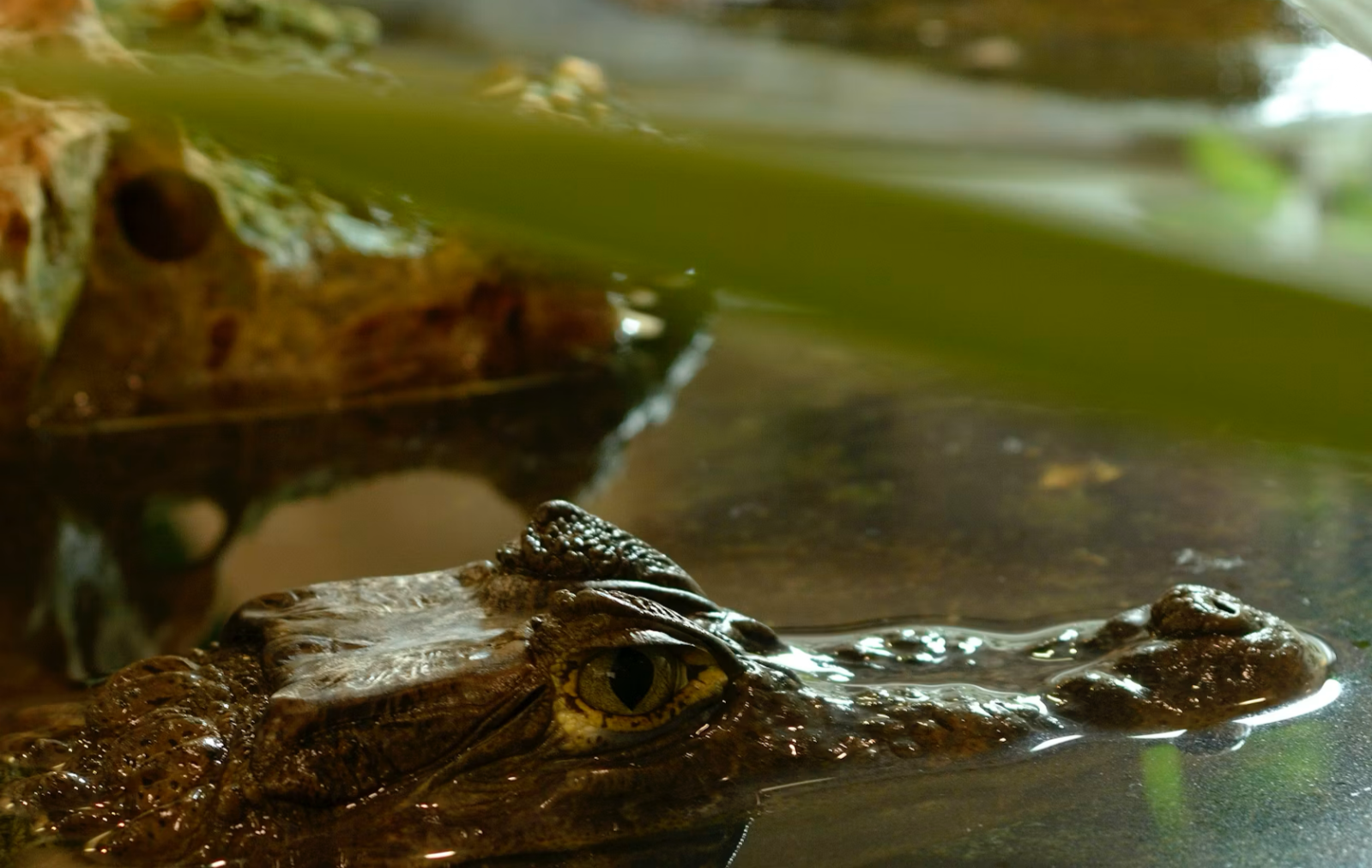
For example, the caiman crocodile is legally protected (and CITES listed under Appendix II). It is illegal to kill wild caimans across much of South America. But, in other parts of the world, and even in some parts of the same region, it is legal to factory farm and kill these animals for fashion.
That means illegal wildlife trade of skins, where caimans are killed where it is illegal, easily becomes hidden amongst caiman skins from sources where their slaughter was legal.
This also outlines the nonsensical nature of so many of these laws, because wild animals deserve protection against being killed and commodified everywhere.
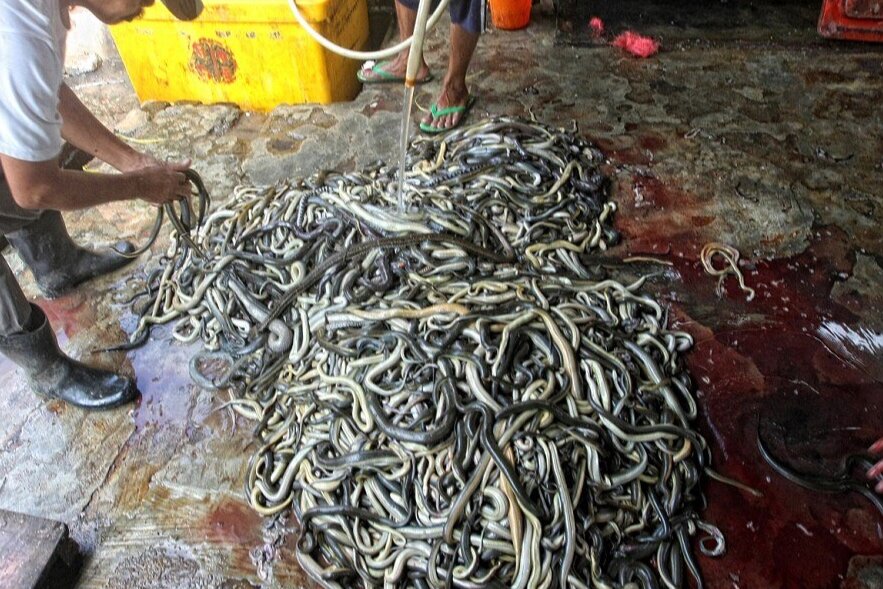
Image: Dead snakes being hosed down of blood in a slaughterhouse supplying the fashion industry / Yudhi Sukma Wijaya / Barcroft Media
In fact, we know that a lot of supposedly legal wildlife trade in fashion helps to hide illegal trade.
Snake farming for luxury fashion groups is often used as a cover for laundering.
Snakes who are too young or who are with eggs, who should legally be protected, are killed here.
Snakes who are captured from the wild illegally are laundered through snake farms, claimed to be bred in these farms when they were not.
The snakes who really were farmed, live miserable lives before they are unjustly killed.
There is nothing ethical or sustainable about any of it.
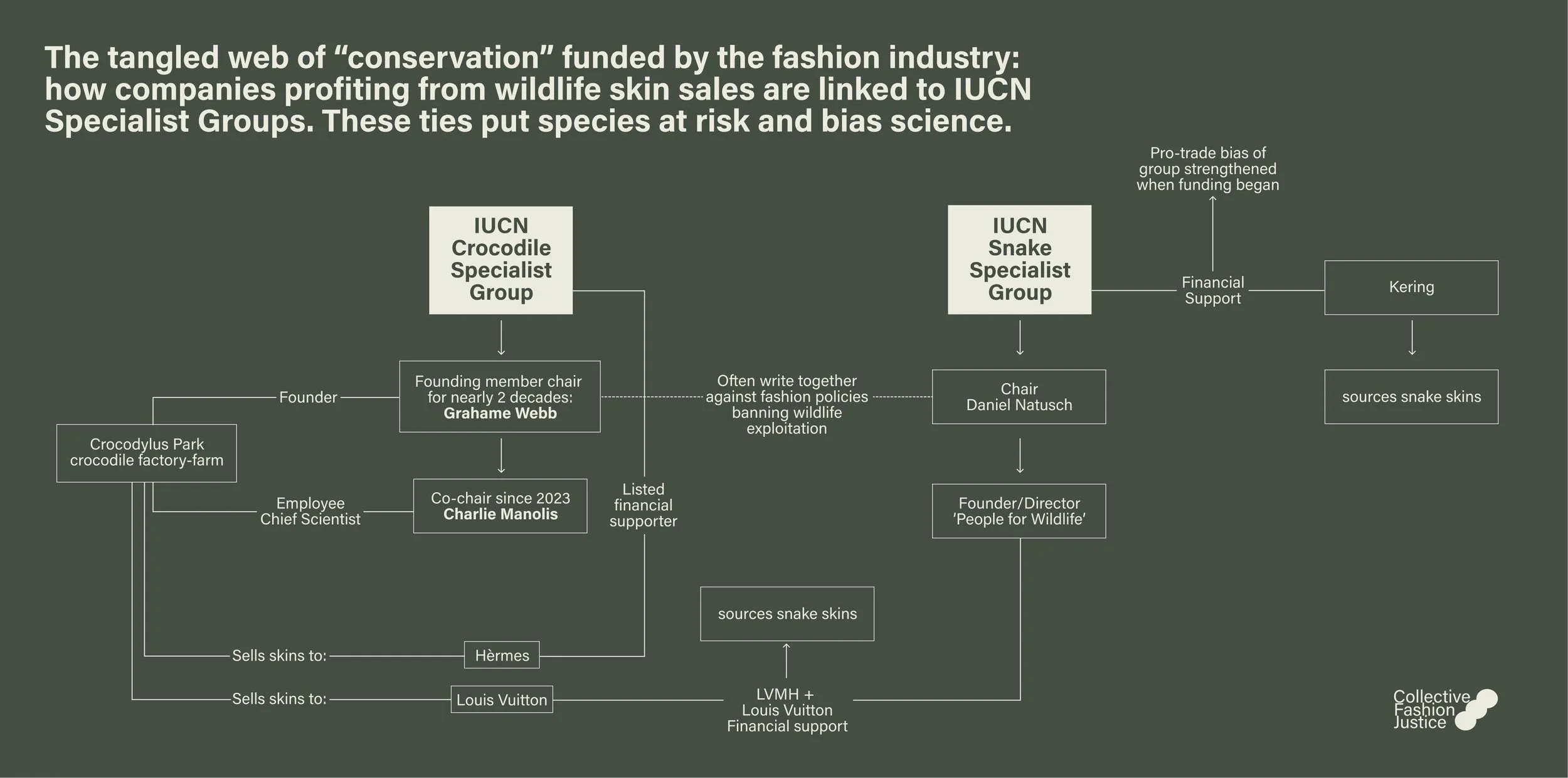
It’s also important that national laws protecting wildlife are adhered to internationally, because we know that relying on CITES alone (one of the few international agreements on wildlife protection) simply aren’t enough.
This is particularly true, because the IUCN – the world’s largest conservation body – heavily influences which species are listed as endangered or not through CITES, and so who gets protected from trade-based exploitation.
Like a Crocodile Specialist Group run by someone from one of the world’s largest crocodile factory farms in the world, which supplies to Hermès which in turn funds the Group.
Or a Snake Specialist Group which has reportedly kicked out scientists who tried to ensure more species could be listed as endangered, while the group took luxury fashion industry funds.
What can be done?
Our friends at the Global Initiative to End Wildlife Crime are advocating for States to develop a new Protocol into the United Nations Convention against Transnational Organized Crime.
It would make the import and sale of products made from illegally sourced wildlife an actual crime, no matter where in the world it happens.
There are also efforts to pass a similarly functioning law at the European Commission, which we are also actively supporting.
As we increase our work in support of ending illegal wildlife trade, Collective Fashion Justice is now formally an International Champion to the Global Initiative to End Wildlife Crime.
Watch this space.