Fashion brands using fur and wild animal skins seen as “less luxurious” by wealthiest consumers
Modern luxury is being redefined around innovation, ethics, and sustainability, leaving wildlife-derived materials behind.
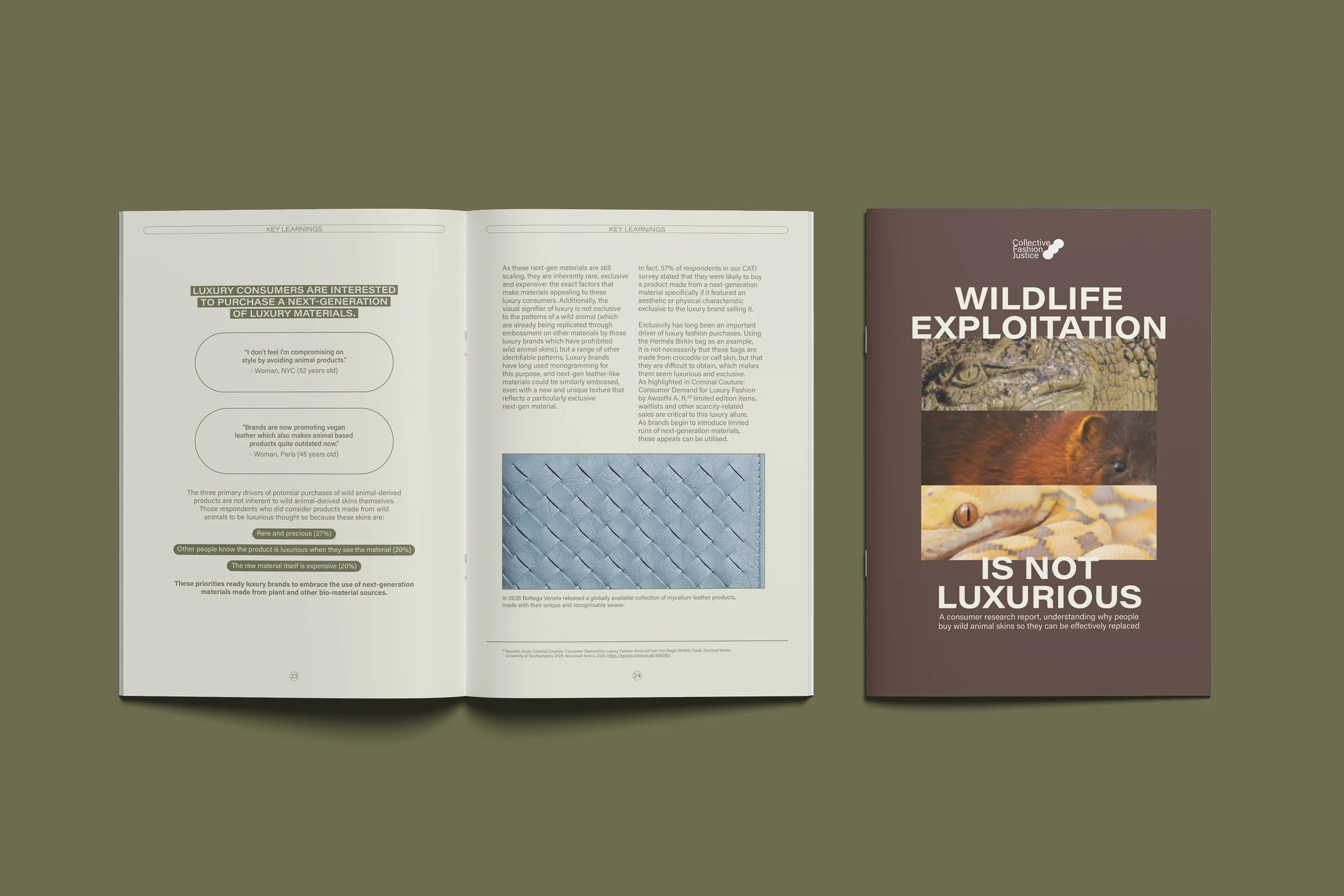
A new report published by Collective Fashion Justice (CFJ) found that 95% of ultra-high net worth (UHNW) and high net worth (HNW) luxury consumers surveyed in London, Paris, and New York, believe that use of wild animal skins and fur makes fashion brands less luxurious. Using these products in fashion is seen as outdated by high-value consumers with the majority stating a preference for "modern, more responsible luxury".
Today’s report “Wildlife exploitation is not luxurious” investigates historic assumptions made by luxury fashion companies, based on scant data, that use of skins and fur is a signifier of prestige and luxury. It shows a clear and significant shift in wealthy, influential consumers’ perceptions of luxury. With wildlife products increasingly viewed not as status symbols but instead as social liabilities that may carry investment risk and be subject to future restrictions on resale.
It is clear that valuable luxury consumers view the use of wild animal materials in a way that is damaging to overall brand perception. This is a real risk at a time when high end fashion brands are reliant on perception of luxury in order to remain profitable in an unsteady economic climate.
Download the report below:
We ask that you share your email address with us so that we can receive a copy of the report, along with additional reading resources from CFJ. This also helps us understand how many people are engaing with our research.
In the full report above, explore insights from important luxury fashion consumers like these:
“Considering current trends and what most luxury brands are offering today, goods made from animal skin or fur feel rather outdated to me and no longer represent my first choice in fashion…it (is) becoming a category I consciously choose to move away from.”
London-based man, aged 44, with a household income of between $200,000 and $499,999 and liquid assets of between $5M and $30M
“I think resale value may be affected by changing customer attitude and also concerning about restrictions on exotic skins.”
London-based woman, aged 60, with a household income of more than $500,000 and liquid assets of more than $30M
“Animal derived materials are no longer a status symbol and I only look for the quality while purchasing products.”
Paris-based man, aged 45, with a household income of between $200,000 and $499,999 and liquid asset of between $5M and $30M
The luxury paradox: high ignorance, high care
The report also reveals that animal welfare and conservation are almost universally important to UHNW and HNW consumers; 80% of those surveyed said they would be more likely to buy wildlife products if told they benefit conservation. With 85% saying they would only buy them if assured of animal welfare or certification. However, nearly half (48%) admitted they were entirely unaware of the ethical and welfare abuses inherent to the wild animal skin trade. As global transparency increases and the lack of credible welfare certifications in the wildlife supply chain are exposed, luxury brands are putting their reputations at risk by using fur and wildlife skins in their supply chain.
In reality, it’s just not possible to transform wild animals into fashion objects in a way that protects those animals; either from a conservation or welfare perspective. Questionable claims made by brands marketing wildlife-derived fashion products as beneficial for conservation or sustainability are leaning into consumers’ growing desire for responsible luxury. When forward thinking brands should be leaning away from animal exploitation in their supply chains.
“The global fashion industry’s ongoing exploitation and killing of wild animals for their skins is almost identical to trophy hunting. In both cases, an individual wild animal is killed for profit, typically paid for by a person of ultra-high net worth for pleasure, for status, and for a ‘trophy’: whether it be a lion’s head on a wall, or a crocodile’s skin made into a bag. Trophy hunting is widely recognised as unacceptable and our research clearly shows wildlife derived fashion is heading the same way.”
— CFJ’s founding director, Emma Håkansson
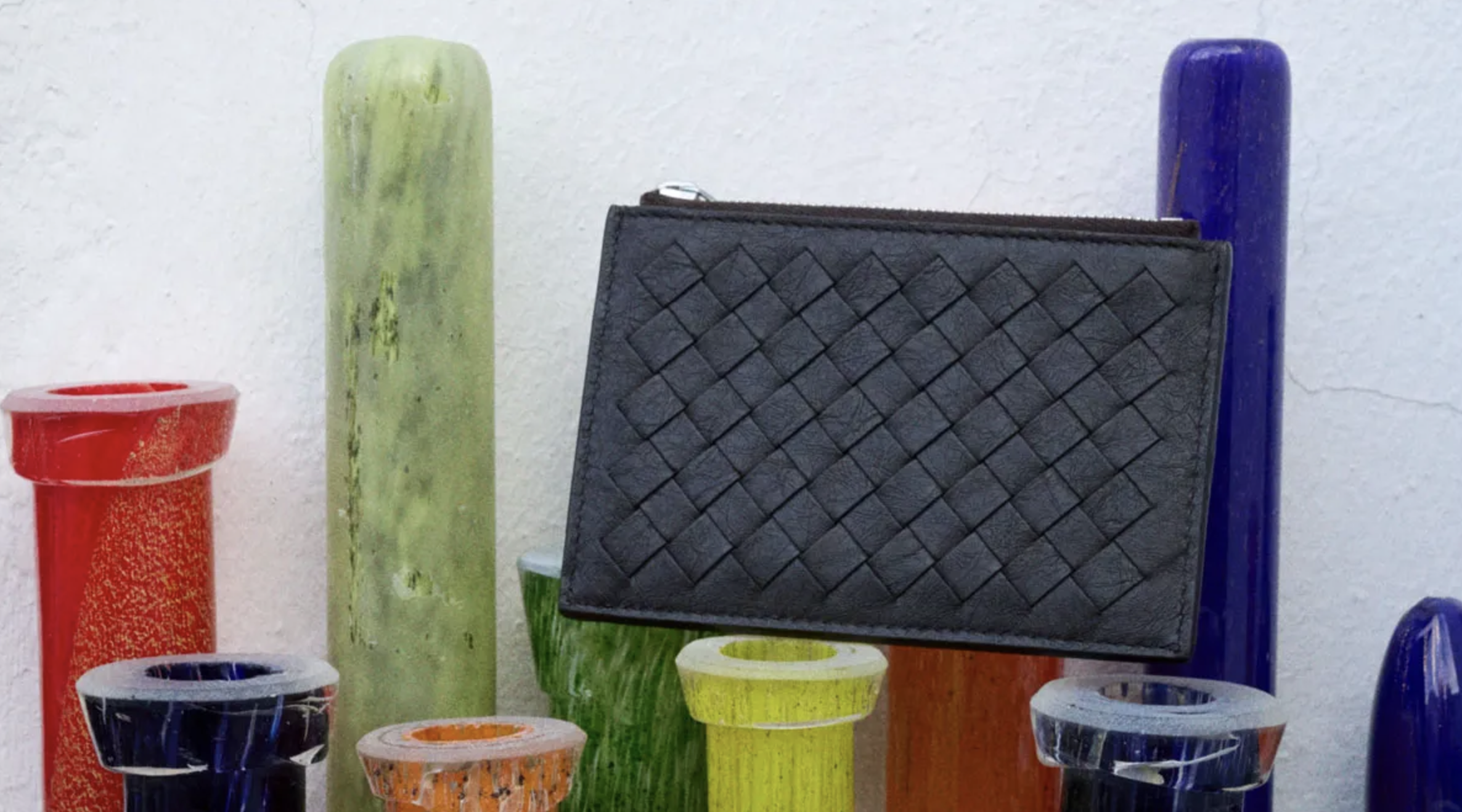
Bottega Veneta recently launched a mycelium leather-adjacent material collection across their global flagship stores, using their signature woven technique. It is this kind of luxury craftsmanship and quality with high-net worth consumers say appeals, not specifically the use of wild animals.
Next-generation material solutions
As the reputational and legal risks associated with wildlife exploitation for fashion increase, next-generation materials are becoming ever more important for luxury fashion brands. Interestingly, rather than simply rejecting animal-derived materials, respondents expressed enthusiasm for innovative alternatives that deliver luxury qualities such as durability, performance, and tactile feel.
Today’s report shows that valuable, wealthy customers are actively interested in seeing fashion move beyond wildlife exploitation and towards a new generation of innovative materials that reflect the future of luxury, aligned with more sustainable and ethical values.
“For me, luxury is not about exotic skins anymore it's about quality, honesty and thoughtful design. I highly appreciate next-gen (materials) they are highly appealing to me because they represent the future of fashion.”
New York-based woman, aged 50, with a household income of between $200,000 and $499,999, liquid assets worth between $5M and $30M
“Nowadays wearing animal skin or fur gives the wrong impression to people around me. I would be interested in next gen materials if they bring a sense of modern innovation and uniqueness that sets them apart from traditional options.”
London-based man, aged 58, with a household income of more than $500,000 and liquid assets worth more than $30M
Another interesting finding is that wild animal-derived materials still offer elements of appeal to UHNW and HNW consumers, though this appeal is not inherent to products being sourced from wild animals. The research found that UHNW and HNW consumers are attracted to rarity, exclusivity, and craftsmanship; not the fact that a material comes from a wild animal. This is a clear indicator that brands can preserve luxury cues while moving to alternative materials. It is worth noting that many next generation materials are inherently rare, exclusive and expensive: the exact factors that make materials appealing to luxury consumers.
“To me, luxury now represents innovation and ethical values, not the rarity of animal materials. It [next gen material] reflects a progressive and conscious lifestyle.”
New York- based woman, aged 45, with a household income of between $200,000 and $499,999 and liquid assets worth between $5M and $30M
“I don't want to compromise on the quality or the overall feel of the material. If brands can deliver on these expectations while also ensuring sustainability, then I would definitely find such products more appealing.”
New York-based woman, aged 52, household income of more than $500,000 and liquid assets worth between $5M and $30M
“I just do not feel comfortable buying something if an animal had to suffer for it to be made. For me, luxury is about quality and buying things I can genuinely feel good about owning.”
Paris-based Man, aged 39, with a household income between $200,000 and $499,999 and liquid assets worth between $1M and $4.9M
There are many innovative alternatives to animal derived materials that convey luxury without the reputational, ethical, and legal risks associated with wildlife exploitation. It’s about time fashion brands caught up with luxury consumers and moved away from the outdated assumption that exploiting wild animals signifies luxury.
It is clear that the future of fashion is wildlife free. Forward-thinking brands have or are already moved away from fur and wildlife-derived materials.
We need to see the whole of the fashion industry catching up and investing in next-generation bio-materials.